Head to head
Zappi vs Ohme
Two of the most-fitted home chargers in the country, built for two different houses. One diverts surplus solar into the car. The other charges in the cheapest half-hours of your tariff. The right answer is decided by your roof, not by the spec sheet.
Guide prices checked 27 August 2026. Your figure is fixed in writing after the survey.
Get a price
Where does it need to go? Two taps and a postcode gets you a price.
The short answer
Solar on the roof decides it
Choose the Zappi if you have solar panels
A clamp on your incoming supply watches the flow, and when the house is exporting, the Zappi pushes that surplus into the car instead of selling it back at a low export rate. Nothing the Ohme does replaces that. It is the whole reason the unit exists and the only reason it costs more.
Zappi in detailChoose the Ohme if you do not
Without panels, the saving lives in the tariff rather than the roof. The Ohme talks to a time-of-use plan directly and moves the charging when the supplier moves the cheap window, so it keeps saving on the week you forget it exists. It is also the cheaper unit of the two.
Ohme Home Pro in detailWe fit both and have no reason to prefer either. The installation, the certificate and the price of the work are the same whichever you choose.
Side by side
Zappi and Ohme Home Pro compared
Both charge at 7kW on a single-phase supply, which is what almost every house in Derbyshire has. Charge speed is not a difference between them and never has been.
| Zappi | Ohme Home Pro | |
|---|---|---|
| Charge rate | 7kW on a single-phase supply | 7kW on a single-phase supply |
| Solar diversion | Yes, three modes | No |
| Tariff integration | Scheduling, not direct tariff integration | Yes, direct |
| Cable | Tethered or socketed | Tethered |
| Typical unit price | £550 to £800 | Around £539 |
| Typical installed | £1,250 to £1,550 | £1,195 to £1,445 |
What actually separates them
One follows the sun, the other follows the price
The Zappi has three modes. Eco+ charges only on genuine surplus and pauses when a cloud goes over. Eco tops up from the grid to hold a minimum rate. Fast ignores all of it and charges at 7kW like any other unit. On a house with panels and a car at home during the day, that is a real saving that no timer can reproduce.
The Ohme takes the other route. Most chargers let you set a timer; the Ohme integrates with the tariff itself, so when your supplier shifts the cheap window, the charging follows without you touching anything. That matters more than it sounds, because the saving from an EV tariff is only real if you actually charge inside the window, and hand-set timers get forgotten the week the schedule changes.
Which is worth more depends on your house rather than on the units. Panels and a car that sits on the drive in daylight favour the Zappi. A commuter car that is at work all day and home overnight favours the Ohme, because it is charging in the dark either way and the tariff is the only lever left.
Either way
The installation does not change with the unit
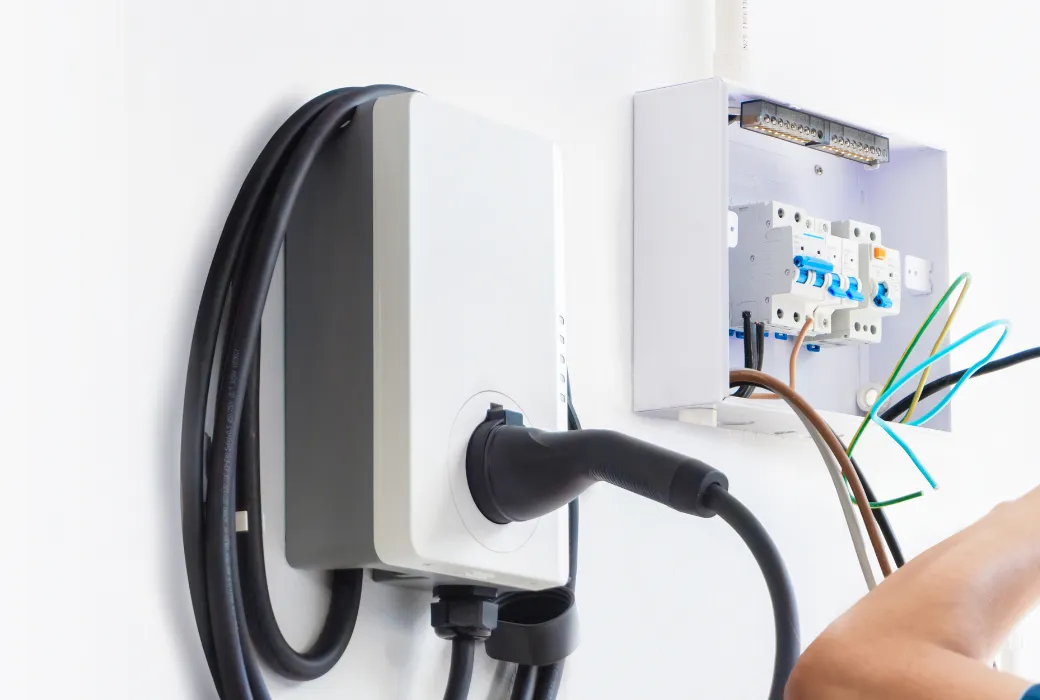
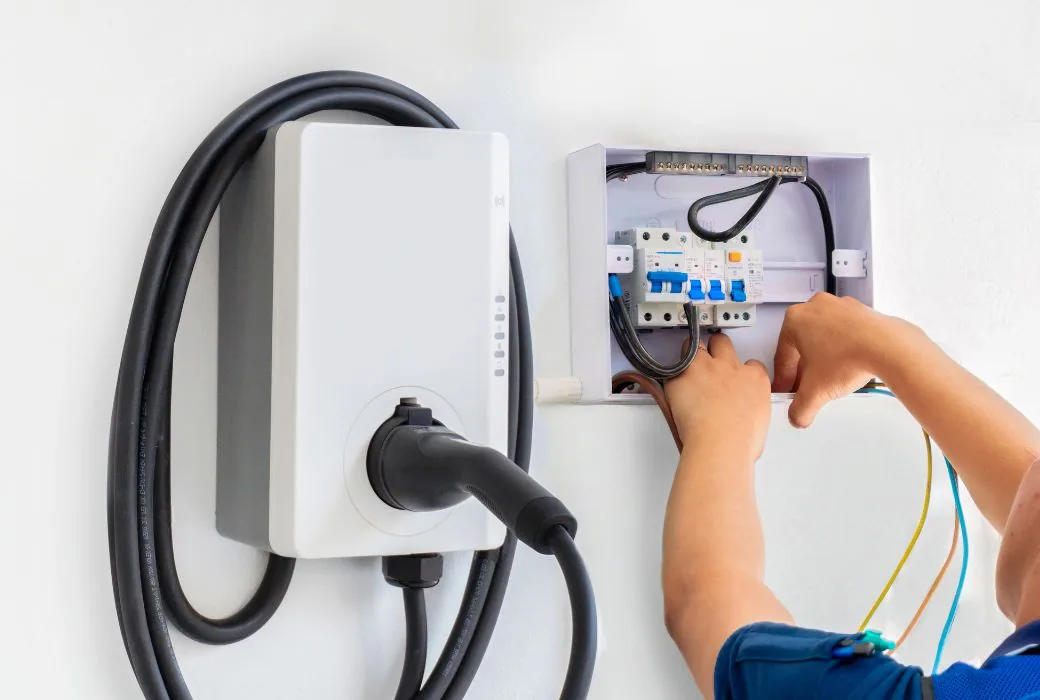
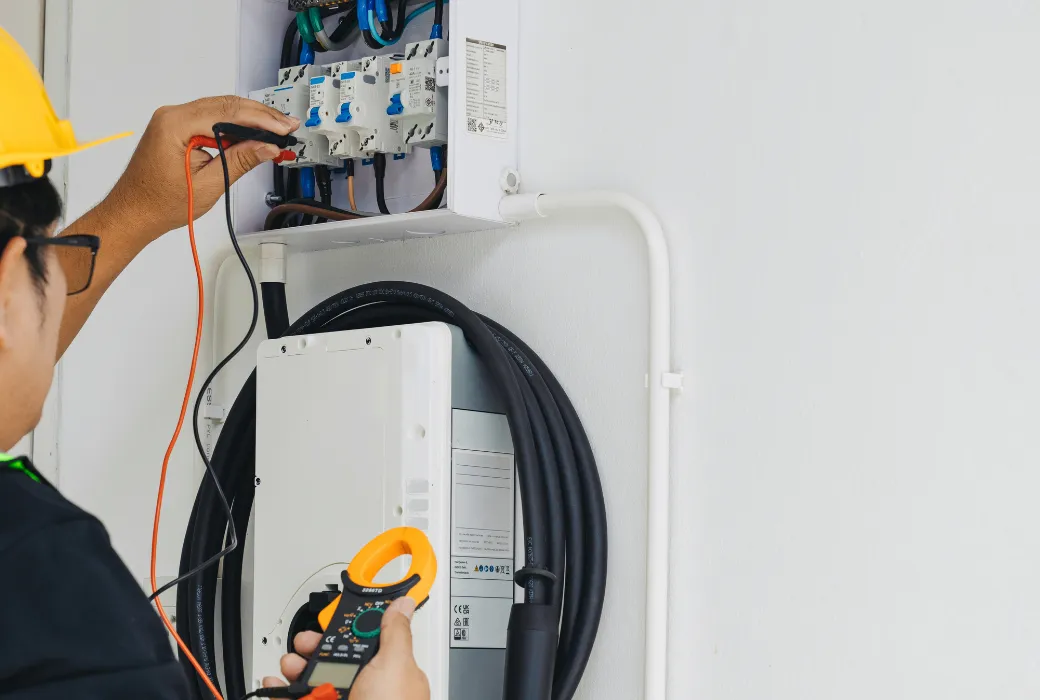
Whichever of the two you choose, this is the job: a dedicated circuit, the right protective device, a test and a certificate. It is also why the quote barely moves between them.
The technical bit
What neither of them changes
Both are 7kW single-phase units. These figures are physical and regulatory, so they apply to either choice and to every other unit on this site.
Physical and regulatory figures, not quotes. What applies to your property is confirmed in writing before you accept anything.
If neither fits
Zappi alternatives worth a look
The Hypervolt Home 3 does solar matching and tariff scheduling in one unit, which is the obvious answer if you want both halves of this comparison rather than one. Its app also reports cost per session, which neither of these two does as plainly.
If you have neither solar nor a smart tariff, both of these units are more than the job needs. A simpler 7kW unit charges the car at exactly the same rate for less money, and which EV charger to buy sets out all eight we fit against what your house actually has.
Hypervolt Home 3
The Hypervolt does both jobs. Solar matching and tariff scheduling in one unit, which is the answer when you have panels and an EV tariff and do not want to choose.
Hypervolt Home 3 installationEasee One
The Easee is the small one, and the one built to work in a group. Several units share a supply and balance load between themselves, which is why it turns up on two-car driveways.
Easee One installationWallbox Pulsar Plus
The Pulsar Plus is the small one. When the only sensible position is a narrow porch return or a tight garage wall, physical size stops being a detail.
Wallbox Pulsar Plus installationNext step
Send your postcode and we will price whichever you choose
The installation is the same for both, so the quote is about your supply and your cable route rather than the unit. Tell us which way you are leaning and we will say if your house changes the answer.
Questions
Zappi and Ohme questions
Zappi or Ohme: which is better?
Neither, in the abstract. They are built for two different houses. The Zappi diverts surplus solar into the car, so it earns its price on a house with panels. The Ohme talks directly to a time-of-use tariff and charges in the cheapest half-hours, which is where the saving lives on a house without panels. If you have solar, the Zappi. If you do not, the Ohme.
What is the price difference between a Zappi and an Ohme?
Fitted, the Zappi is typically £1,250 to £1,550 and the Ohme Home Pro £1,195 to £1,445, so the gap is small: roughly £55 to £105 on a guide price. The unit itself is where the difference sits, at £550 to £800 against around £539. Figures checked 27 August 2026. The installation half depends on your cable run and consumer unit, not on which unit you pick.
Can the Ohme use solar panels like a Zappi does?
Not in the surplus-diversion sense. The Zappi watches your incoming supply and pushes exported surplus into the car instead of selling it back. The Ohme does not do that. If matching the charge to your own generation is the point, the Zappi or a Hypervolt is the shortlist.
Can a Zappi charge on a cheap overnight tariff?
Yes. The Zappi schedules, and its Fast mode charges at 7kW like any other unit, so you can set it to run in an off-peak window. What it does not do is integrate with the tariff directly, so if your supplier moves the cheap window, you move the schedule. The Ohme follows that change on its own.
Is the installation different between a Zappi and an Ohme?
No. Both are 7kW units on a single-phase supply, both need a dedicated circuit with the right protective device, and both are tested, certified and notified the same way. What decides your installation price is the run from the consumer unit and what the cable route passes through, which is identical whichever of the two you choose.
What are the alternatives to a Zappi?
For solar diversion specifically, the Hypervolt Home 3 does both solar matching and tariff scheduling in one unit. For a house without panels, the Ohme Home Pro covers the tariff side more directly and costs less. The Zappi's case rests on surplus solar; without panels, the feature you are paying extra for does nothing.
Get a quote
Get a Zappi or Ohme fitted
Seven quick questions. We reply with either a fixed price or the one thing we still need to know.
- No cost, and no obligation to book anything
- Your details are never sold on or passed around
- A fixed price for the work described, in writing
Would rather talk it through? Call 01246 952042.