Grants, checked 17 August 2026
EV charger grants: who qualifies, and who gets nothing.
Five government schemes are open, each worth up to £500 per socket. If you own a house with a driveway, none of them is for you. Here is the honest version.
Get a price
Where does it need to go? Two taps and a postcode gets you a price.
Start here
Is there a grant for a home EV charger?
This is the single most common misunderstanding in the whole subject, and plenty of installer websites are vague about it because the vagueness sells. Homeowners with private off-street parking at a single-family house were removed from the domestic grant scheme years ago and have not been brought back.
The schemes now target the people who were being left behind: renters, flat owners, and households with no driveway at all. If that is you, read on. If it is not, your installation is simply priced on its merits, and the honest saving is in choosing the right unit and charging on a cheap overnight tariff.
Which charger should I buy covers the first of those.
The five open schemes
How much is each EV charger grant worth?
Rates rose from £350 to £500 per socket on 1 April 2026. All five schemes are currently funded to 31 March 2027.
Chargepoint grant for renters and flat owners
You rent your home, or you own and live in a flat.
- The property must have designated, private off-street parking.
- You must be able to show a legal entitlement to that parking space.
- If you rent, you need written permission from the landlord or managing agent before you apply. It must name them, name you, and give the address.
- The vehicle must be on the OZEV list of approved electric vehicles.
- You will need a utility bill less than three months old showing your name at the address.
Chargepoint grant for households with on-street parking
You own or rent a house with no off-street parking at all.
- It funds cross-pavement solutions, meaning a channel or gully that takes the cable safely under the footway.
- Your local authority has to permit a cross-pavement installation. Not all of them do, and this is the step that decides it.
- A cable run loose across a public footpath is not a cross-pavement solution and is not something your installer will install.
Workplace Charging Scheme
You run a business, a charity or a public sector organisation.
- You apply for a voucher first, then give it to the installer. The voucher comes before the work, not after.
- The installation must be carried out by an OZEV-authorised installer.
- You need either existing EV use among staff or fleet, or a stated intent to encourage it.
- The parking must be on your premises and reserved for staff or fleet.
Chargepoint grant for landlords
You let out residential property, or manage it.
- It is open to private landlords, property management companies, registered social housing providers and public sector bodies.
- Each parking space must be associated with a property you let.
- Applications are made by the landlord, not by the tenant.
Workplace Charging Scheme for state-funded education
You are a state-funded school, college or other education institution.
- This is the most generous of the schemes by some distance.
- It applies to state-funded institutions. Independent schools use the standard Workplace Charging Scheme instead.
Closed
EV charger grants that closed on 31 March 2026
People still ask about these, and some comparison sites still list them. Applications closed.
- The staff and fleets grant, for businesses with fewer than 250 staff
- The commercial landlord chargepoint grant
- The residential landlord infrastructure grant
Claiming
How to claim an EV chargepoint grant
Two things catch people out. The first is sequence: a Workplace Charging Scheme voucher has to be issued before the installation, and a claim made afterwards will not be paid. The second is permission. If you rent, or you own a flat, the written consent from the landlord, freeholder or managing agent needs to be in hand before you apply, and getting it is usually the slowest part of the whole job.
The installer also has to be OZEV-authorised for any grant to be claimable. That is a registration, so it is published here only once it can be evidenced.
Where a scheme applies to your property, the installer makes the application and the grant is taken off your invoice rather than paid to you. We confirm their OZEV authorisation before your job is allocated, and you get the number with the quote so you can check it against the government register yourself.
Where these figures come from
Where these EV grant figures come from
Grant rates and deadlines change, and they changed on 1 April 2026. Every figure on this page came from the government guidance on that date, and the date is published here so you can see how fresh it is. If you are reading this well after it, check the source before you budget around it.
Who the schemes are for
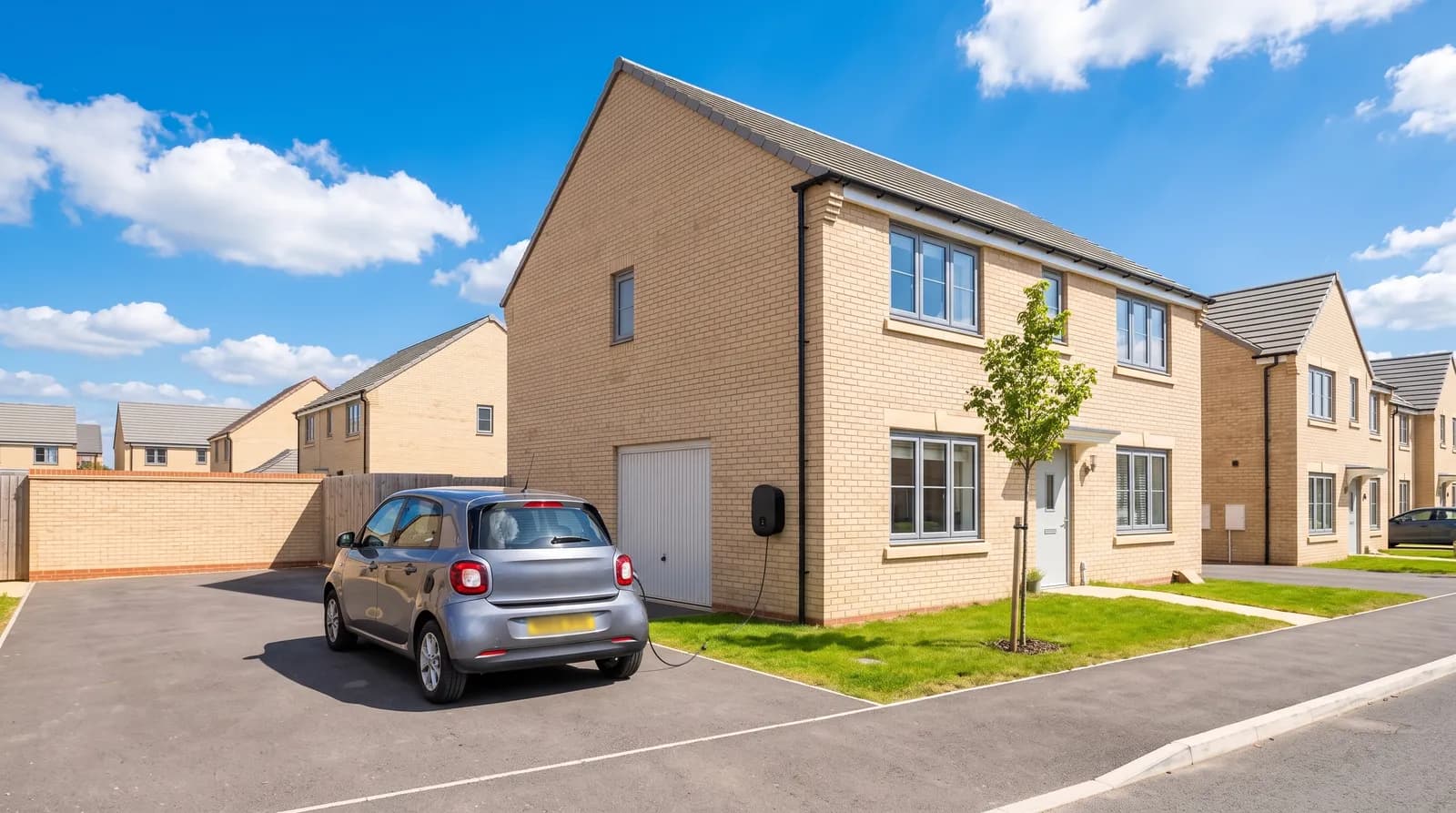
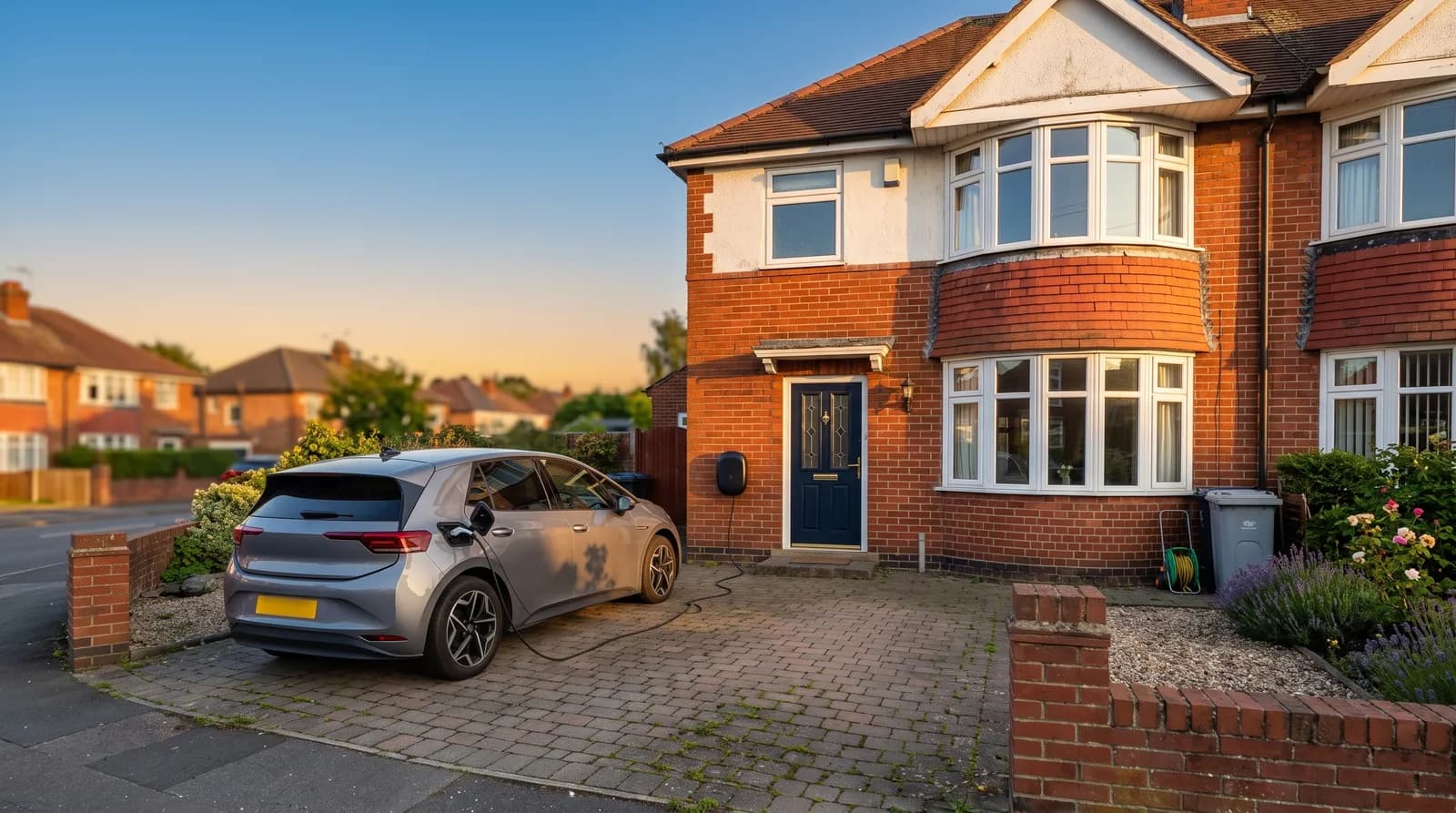
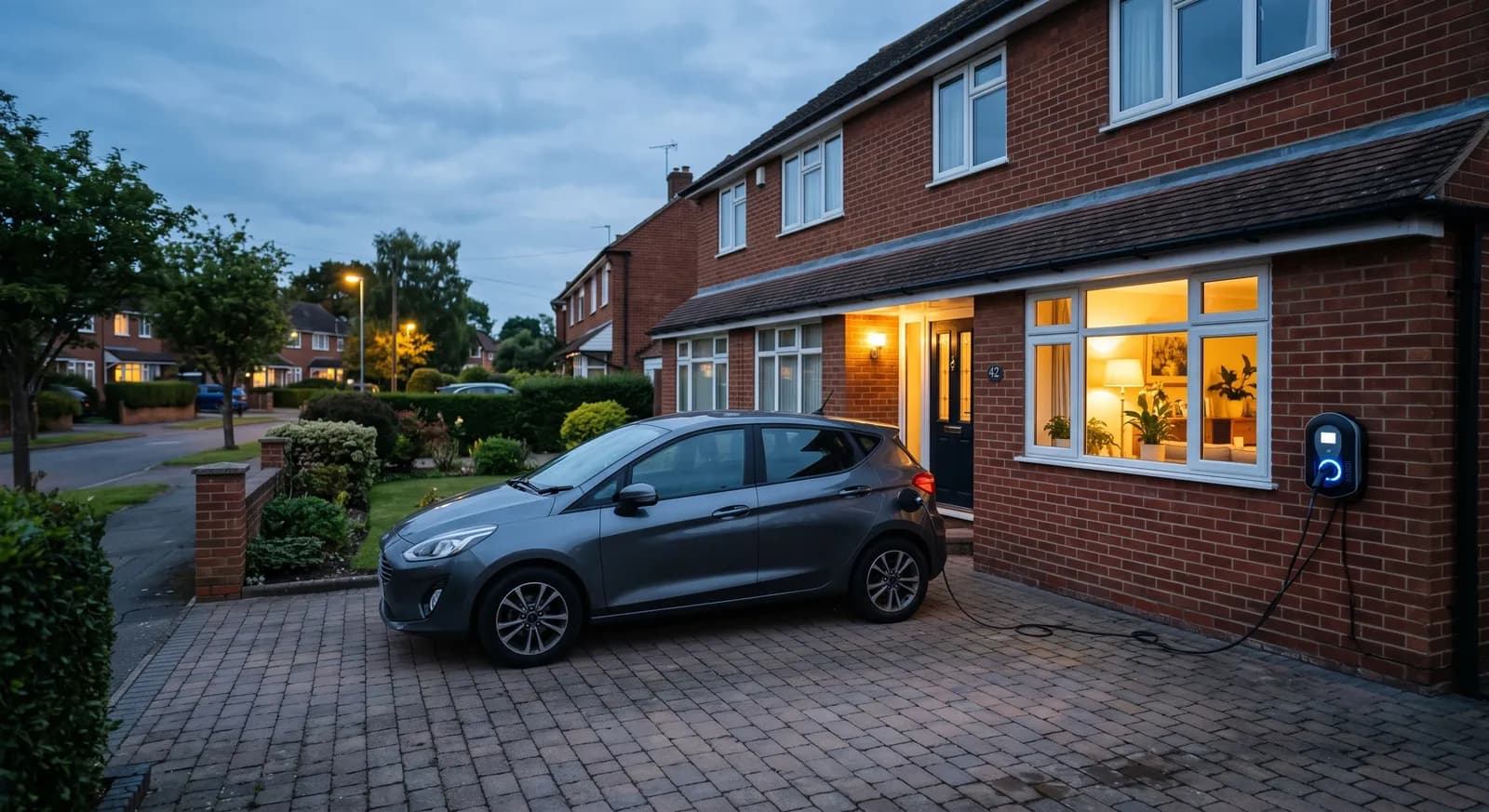
Three properties, and only two of them qualify
The schemes are aimed at people without their own driveway, at landlords, and at flats. An owner-occupier with off-street parking is the one case none of them covers.
Next step
Tell us your situation and we will say so which grant applies.
Renting, flat, landlord, business or none of the above. It takes one line, and it changes what the job costs you.
Questions
Grant questions
Is there a grant for a home EV charger?
Not if you own a house with off-street parking. That group was removed from the scheme years ago and remains excluded. Grants are available to renters, flat owners, landlords, workplaces and households that have only on-street parking.
How much is the EV chargepoint grant worth?
Up to £500 per socket for renters, flat owners, landlords, on-street households and workplaces. It rose from £350 to £500 on 1 April 2026. State-funded education institutions can claim up to £2,000 per socket.
When do the EV chargepoint grants end?
The current schemes are funded to 31 March 2027. That is the published end date rather than a prediction, and it has been extended before, so treat it as the date to plan around and not a certainty either way.
Do I need an approved installer to claim a grant?
Yes. The work has to be done by an OZEV-authorised installer, and for the Workplace Charging Scheme the voucher must be issued before the installation happens. Claiming afterwards does not work.
Can I get a grant if I rent my house?
Yes, provided the property has designated private off-street parking and you can evidence your legal entitlement to that space. You also need written permission from the landlord or managing agent before applying, naming both of you and the address.
Can I get a grant if I only park on the street?
Possibly, through the cross-pavement scheme. It funds a channel or gully that carries the cable safely under the footway. Your local authority has to permit that, which is the step that decides it in practice.
How many sockets can a business claim for?
Up to 40 across all its sites under the Workplace Charging Scheme, at up to £500 per socket covering up to 75% of the purchase and installation cost. Residential landlords can claim for up to 200.
Get a quote
Ask about an EV charger grant
Seven quick questions. We reply with either a fixed price or the one thing we still need to know.
- No cost, and no obligation to book anything
- Your details are never sold on or passed around
- A fixed price for the work described, in writing
Would rather talk it through? Call 01246 952042.